The Central Valley's High-pH Water Problem, Without Sulfuric Acid
ECO2MIX does the same water pH control job sulfuric acid has always done for tree nut growers in the Central Valley, without the hazardous storage, corrosion risk, or operator handling. No bulk acid tank. No regulatory handling requirements. No staff touching chemical inputs between ECO2MIX service visits. The managed service model means a fixed price per acre per year covers everything: installation, CO₂ supply, remote monitoring, and maintenance.
The agronomic case is stronger than pH alone. Side-by-side soil tests at the same farm show carbonic acid treatment delivering +69% CO₂ respiration and +12.34% microbial diversity compared to sulfuric acid blocks. Almonds, pistachios, and walnuts are 20 to 40 year investments. The soil biology you build or damage in the first decade compounds for the life of the orchard. A three-year study comparing carbonic and sulfuric acid at six pistachio farms in the Central Valley is now underway at Fresno State to quantify the long-term soil carbon storage difference.
Get a Proposal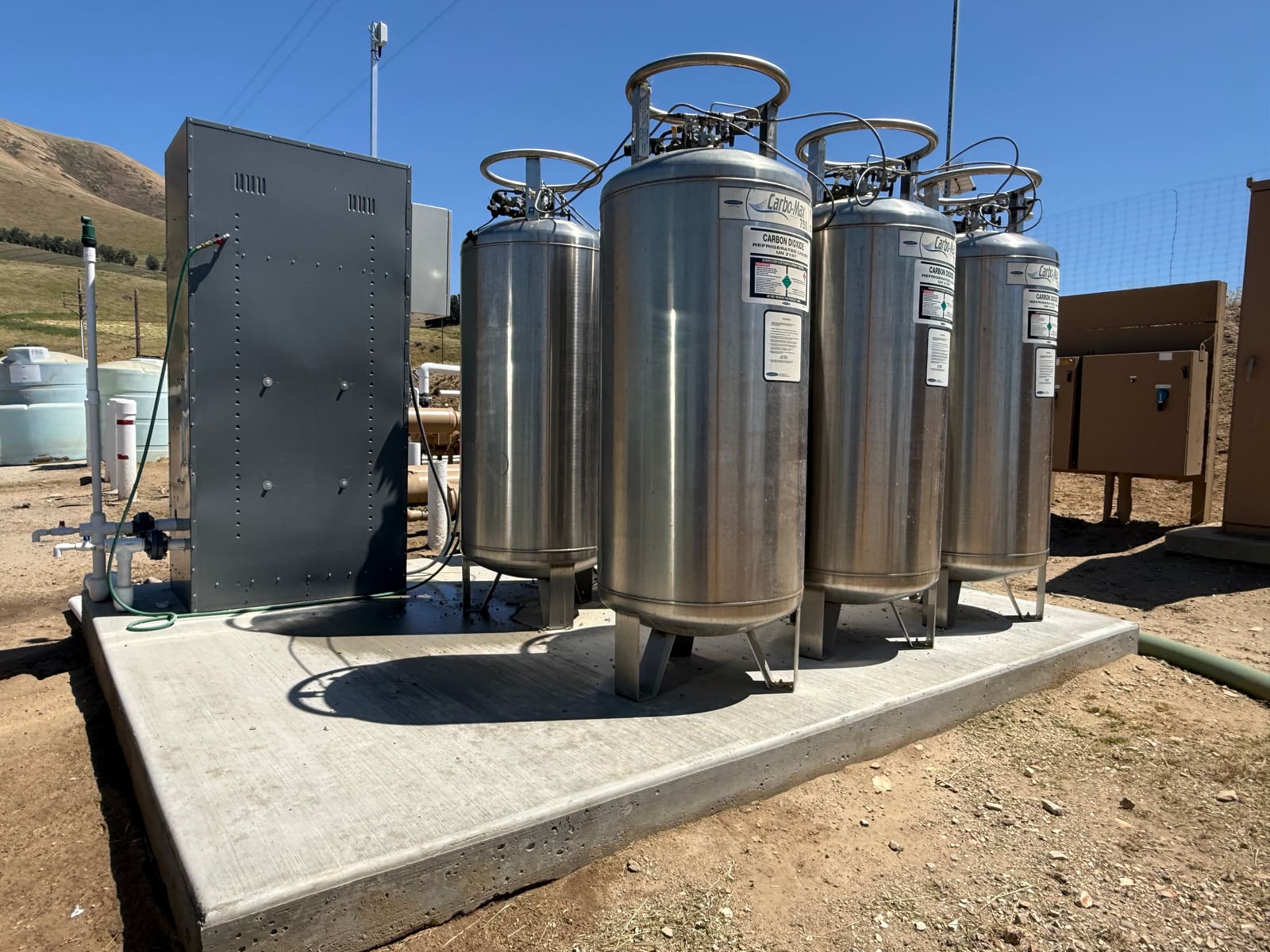
“What we've recognized is because we're so focused on soil health and biology — what we're doing with carbonic acid makes a huge shift in improving the microbial health, to where we can cycle nutrition more effectively into the tree. Surprisingly, even though we sell fertilizers, we're able to see a reduction in inputs because we're improving the soil.”
- Improved microbial health documented across multiple tree nut operations
- Reduced fertilizer inputs while maintaining yields
- Net profit increase per acre for growers he advises
Why Growers Choose ECO2MIX
Nutrient Availability
Soil pH above 7.0 locks out iron, zinc, and phosphorus. Delivering water at pH 6.5–6.6 keeps the root zone chemistry in range for nutrient uptake throughout the growing season.
Soil Structure Protection
Bicarbonates displace calcium from soil exchange sites, letting sodium accumulate and degrading structure over years. Removing bicarbonates at the source protects long-term orchard productivity for crops with 20–40 year lifespans.
Scale Prevention
Bicarbonate scale in drip tape and micro-sprinklers reduces distribution uniformity and increases maintenance. Treating water at the pump station keeps emitters clean and output consistent.
Organic Approved
CCOF-approved and listed on the USDA NOSB approved substances list. Almond and pistachio operations running certified organic programs already use ECO2MIX alongside their certifiers.
What the Soil Data Shows
Side-by-side soil tests comparing carbonic acid and sulfuric acid blocks at the same farms show a consistent difference in soil biology outcomes.
CO2 Respiration
Carbonic acid treatment increased soil CO₂ respiration by 69% over one season. The sulfuric acid block at the same farm dropped 16% in the same period.
Microbial Diversity
Microbial diversity increased 12.34% in carbonic acid-treated blocks. On the sulfuric acid blocks at the same farm, diversity fell 12.95%.
Residual Sulfates
CO₂ reverts to gas and water after lowering pH. Nothing accumulates in the soil. Growers already managing elevated sulfate levels have no other safe path to water pH control.
Bicarbonate Reduction
Lowering pH to 6.5–6.6 reduces dissolved bicarbonates by approximately 50%, protecting drip emitters and soil calcium exchange sites from bicarbonate-driven degradation.
Additional Benefits
- CCOF-approved for certified organic operations. Compare to sulfur burner.
- Drip line and emitter scale eliminated at the pump station
- Fixed service contract: ECO2MIX manages CO₂ supply, monitoring, and maintenance
Carbonic Acid vs. Sulfuric Acid for Tree Nut Irrigation
| Sulfuric Acid | ECO2MIX Carbonic Acid |
|---|---|
| Effective, but hazardous to handle and store | Safe to handle. Same chemistry as rainwater or sparkling water. |
| Adds sulfate (SO₄²⁻) to soil over time, which can build up and cause imbalances | No residual salts. CO₂ reverts to gas and water after adjusting pH. |
| Corrosion risk on pumps, fittings, and concrete | No corrosion risk |
| Over-application can drop pH too low, harming soil biology | Precise control via automated water pH probe feedback loop |
| Requires acid storage and operator handling | No operator handling required. Fully remote-managed service. |
Approved for Certified Organic Operations
ECO2MIX carbonic acid is approved by CCOF for water pH control and has been approved by the National Organic Standards Board (NOSB) for the USDA National List of Allowed Substances. Organic almond and pistachio growers in California's Central Coast and San Joaquin Valley already use it alongside programs from their organic certifiers.
How It Works
- 01
CO2 injection at the pump station
CO₂ from a dedicated supply tank is injected into the water line immediately after your pump, before water enters the field.
- 02
Pressurized dissolution
Inside the ECO2MIX reactor, CO₂ fully dissolves into the water under pressure, forming carbonic acid throughout the water stream.
- 03
Real-time water pH control
A probe downstream reads water pH continuously. The automated controller adjusts CO₂ dose to maintain your target pH, typically 6.5–6.6, regardless of flow rate or source variation.
- 04
Remote monitoring and service
ECO2MIX monitors system performance remotely. A technician visits every 6–8 weeks to calibrate the pH probe and replenish CO₂. No operator action required between visits.
Research & Field Notes
Case studies, agronomist observations, and technical explainers from almond, pistachio, and walnut operations.
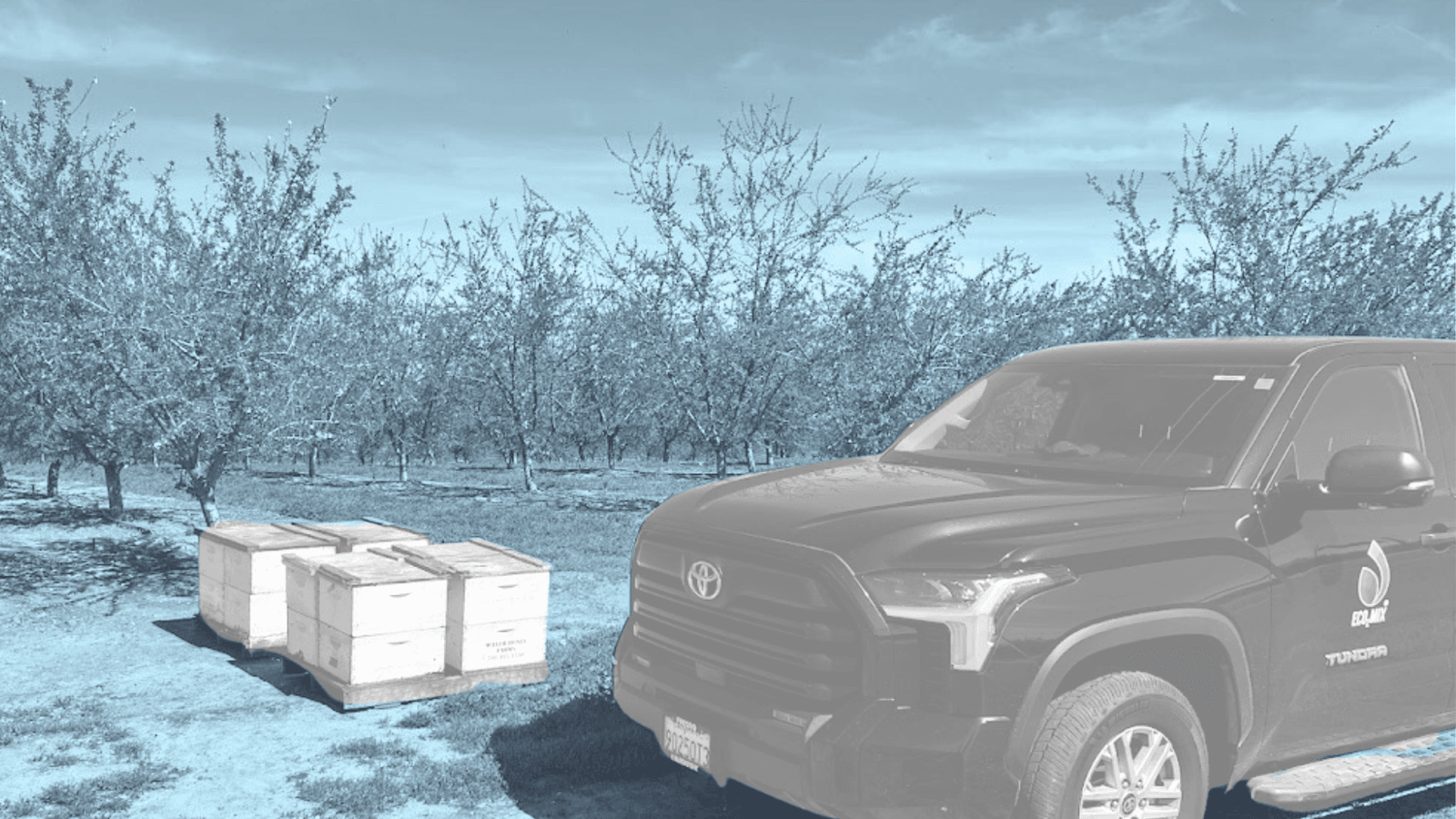
Sustainable Water pH Treatment for Almonds
Keeping the almond industry alive and healthy in California. Due to rising costs, uncertain demand, and rising input costs for almonds, growers across California are looking for ways to cut costs and increase production.
Read more →Common Questions
How does carbonic acid protect drip lines and emitters from scale?
What target pH is recommended for almonds, pistachios, and walnuts?
Is ECO2MIX approved for certified organic tree nut operations?
What happens to soil structure with long-term carbonic acid treatment?
Can one unit cover a ranch with multiple pump stations?
Is there ongoing research on carbonic acid for tree nuts?

ECO2MIX Agriculture One-Pager
One-page summary of the ECO2MIX carbonic acid system for agriculture: benefits, how it works, and contact info.
View One-Pager ↗