Carbonic Acid for Vineyards

Water pH control for wine and table grape growers. Same target pH as sulfuric acid, with no sulfate left in the soil.

Well Water pH Is One of the Least-Managed Inputs in a Vineyard

Well water across California wine country and the Pacific Northwest routinely arrives at pH 7.5 to 8.5 with elevated bicarbonates. At that pH, iron, manganese, and zinc are increasingly unavailable for vine uptake. Season after season, this pushes soil pH higher, compounds chlorosis symptoms, and clogs drip systems with calcium carbonate scale.

Most vineyards using acid injection for water pH control use sulfuric acid. It works, but it deposits sulfate into the soil with every irrigation cycle. Those sulfates accumulate over the decades a vineyard is in production, affecting soil biology and long-term soil chemistry.

ECO2MIX delivers the same water pH control result without the sulfate residual. CO₂ is dissolved into your irrigation water at the pump station, forming carbonic acid that brings pH to target range before water reaches any vine. The CO₂ reverts to gas after the pH work is done. Nothing accumulates.

Get a Proposal
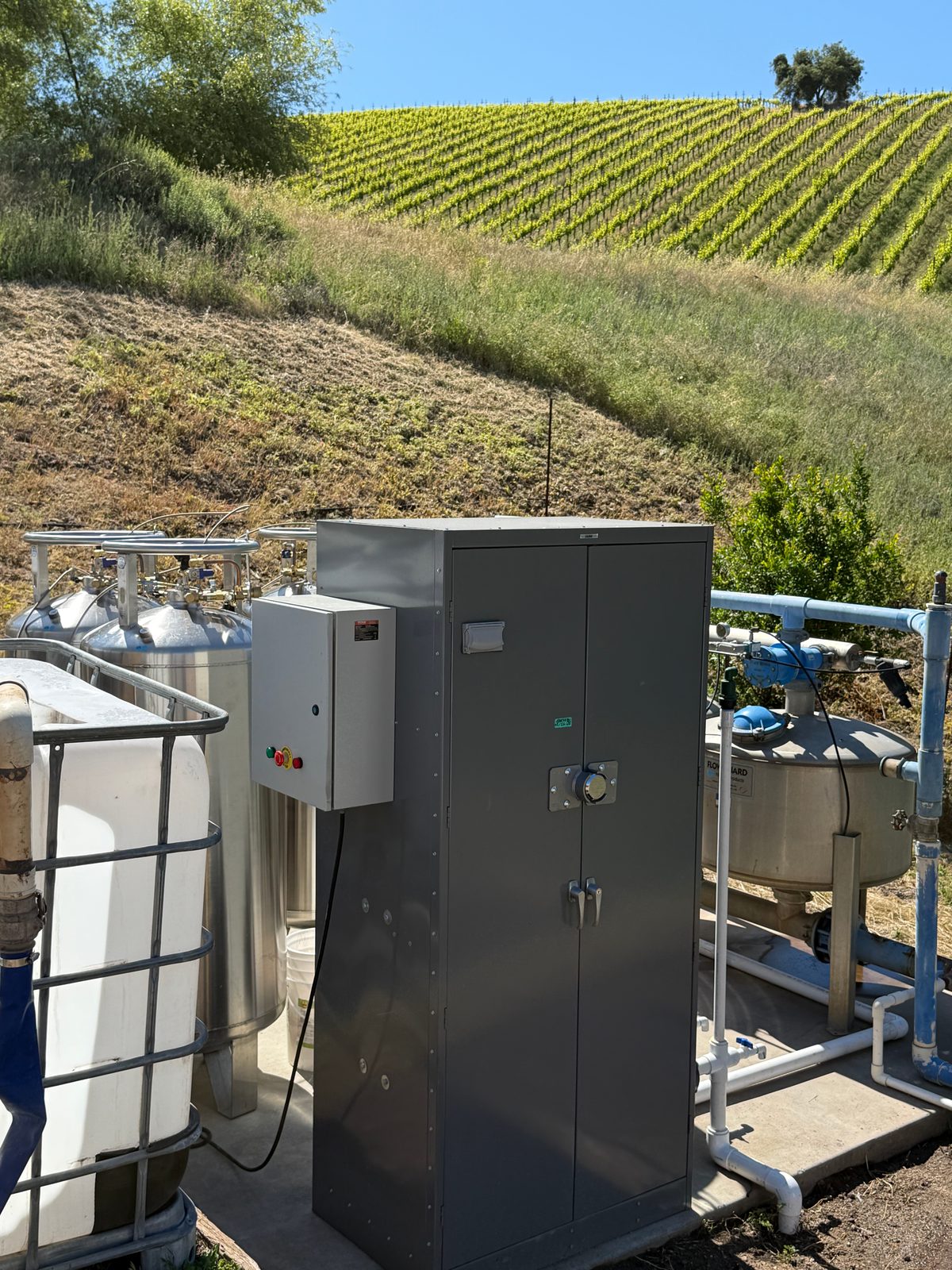
ECO2MIX system installed at a pump station
Eryn Gray, CCA, PCA, on carbonic acid across almonds, tomatoes, grapes, and row crops

Soil Health Results From California Operations

Side-by-side comparisons at California farms, measuring carbonic acid blocks against sulfuric acid blocks on the same properties.

+69%
CO₂ respiration vs. sulfuric acid blocks (same farm)
+12.34%
Microbial diversity vs. sulfuric acid (same farm)
0
Residual sulfates: CO₂ reverts to gas, nothing accumulates
~50%
Bicarbonate reduction at target water pH

Vineyards are 20 to 40 year investments. The soil biology and chemistry you establish in the first decade compounds over the life of the vineyard.

Why Water pH Matters in a Vineyard

Iron Chlorosis

Iron, manganese, and zinc all become less plant-available as soil pH climbs above 7.0. Vineyards irrigating with high-pH well water push soil pH higher with every cycle. Iron chlorosis (yellowing between leaf veins while veins stay green) is the most visible result. Foliar iron applications treat the symptom, not the cause. Lowering irrigation water pH at the pump station addresses the root zone chemistry where uptake actually happens.

Drip Tape and Emitter Scale

High bicarbonate water precipitates calcium and magnesium carbonate inside drip tape, emitters, and filters. Scale reduces distribution uniformity over time, increases system pressure, and eventually clogs emitters entirely. Lowering water pH at the pump station keeps those minerals in solution so they pass through the system rather than depositing inside it.

Sulfate Accumulation in Organic Wine Country

Sulfuric acid deposits sulfate ions with every irrigation cycle. Over years and decades, these accumulate in the soil profile and affect soil biology. For certified organic vineyards and regenerative viticulture programs, sulfuric acid is incompatible with certification. Carbonic acid is suitable for certified organic operations, and it controls water pH without adding sulfate.

Long-Term Soil Biology

Field comparisons at a California farm show carbonic acid treatment producing a 69% increase in soil CO₂ respiration and a 12.34% increase in microbial diversity while sulfuric acid blocks on the same property declined. For a perennial crop system that depends on soil health over decades, this difference compounds.

How ECO2MIX Works at the Pump Station

ECO2MIX installs a CO₂ injection system immediately after your pump station. A pH probe downstream reads water pH in real time. An automated controller adjusts CO₂ dose to hit your target pH, typically 6.2 to 6.8, regardless of variations in water source, flow rate, or season.

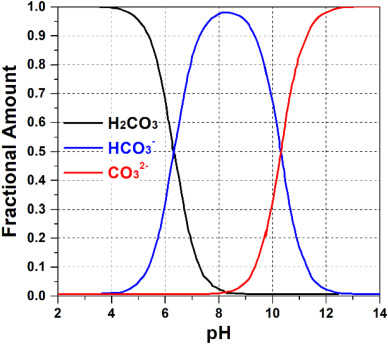
CO₂ dissolves into the water and forms carbonic acid (CO₂ + H₂O → H₂CO₃). The acid neutralizes bicarbonates and lowers pH without adding any salt, sulfate, or chloride to the soil. After the water reaches the vine, the carbonic acid breaks back down to CO₂ and water. That CO₂ feeds soil microbes.

ECO2MIX provides the equipment, CO₂ supply, remote monitoring, calibration, and all maintenance under a fixed price per acre per year. There is no up-front equipment cost.

Carbonic Acid vs. Sulfuric Acid for Vineyard Irrigation

Sulfuric AcidECO2MIX Carbonic Acid
Effective, but hazardous to handleSafe to handle: same chemistry as rainwater or sparkling water
Adds sulfate (SO₄²⁻) to soil with every irrigation cycleNo residual salts. CO₂ reverts to gas and water
Corrosion risk on pumps, fittings, and concreteNo corrosion risk on pumps, fittings, or drip systems
Incompatible with CCOF and organic certification programsCCOF-approved and compatible with organic certification
Requires acid storage and operator handlingNo operator handling required. Fully remote-managed service

Approved for Certified Organic and Regenerative Programs

ECO2MIX carbonic acid is approved by CCOF for water pH control and has been approved by the National Organic Standards Board (NOSB) for the USDA National List of Allowed Substances, so it is suitable for certified organic viticulture. Sulfur burners are also compatible with organic certification; the difference is what each one leaves behind. Regenerative wine programs that track sulfate inputs or soil health metrics can use carbonic acid without adding to their sulfate load.

Research & Field Notes

Technical content and case studies from vineyard water management.

Carbonated Irrigation in a Tempranillo Vineyard: What the Research Shows

Carbonated Irrigation in a Tempranillo Vineyard: What the Research Shows

October 8, 2025  ·  agriculturegraperesearch

ECO2MIX summarizes a peer-reviewed study on carbonated irrigation water in a Tempranillo grapevine vineyard — covering nutrient absorption, yield improvements, and what it means for inline carbonic acid pH control.

Read more →
Frequently Asked Questions

Does carbonic acid work as well as sulfuric acid for vineyard irrigation water?
Yes. Both acids neutralize bicarbonates and lower water pH to the same target range. The difference is what they leave behind. Sulfuric acid deposits sulfate ions into the soil with every irrigation cycle. Carbonic acid reverts to CO₂ and water after the pH work is done, leaving no residual salts.
Is ECO2MIX approved for certified organic vineyards?
Yes. Carbonic acid is on the CCOF and USDA National List of Allowed Substances, and it is currently in use at certified organic operations in California. Sulfur burners are also allowed in organic production; carbonic acid differs in that it adds no sulfate to the soil.
Can the system handle variable flow rates at a vineyard pump station?
Yes. The system uses a real-time pH feedback loop to adjust CO₂ dose continuously as flow rate changes. It works across the full operating range of most vineyard pump stations without manual adjustment.
What does high-pH irrigation water do to grapevines over time?
High-pH water increases soil pH season after season, reducing availability of iron, manganese, and zinc. Iron chlorosis, yellowing between leaf veins, is the most common visible symptom. High bicarbonates also cause scale buildup inside drip tape and emitters, reducing distribution uniformity and increasing maintenance costs.
What does the ECO2MIX service include for a vineyard?
ECO2MIX installs and owns the CO₂ injection equipment at your pump station. The annual fee per acre covers CO₂ supply, remote monitoring, calibration every 6 to 8 weeks, and all maintenance. No capital investment required.

Get a Proposal for Your Vineyard

Tell us your water source, acreage, and pump station setup. We'll size a system and send a proposal. No obligation.